For Bangladesh-based operations
Plan inbound support, outbound campaigns, Cloud PBX, and multi-tenant communication workflows on a platform you can deploy to compatible infrastructure.
Telecom services, carrier connectivity, infrastructure, implementation, and regulatory obligations are scoped separately for each deployment.
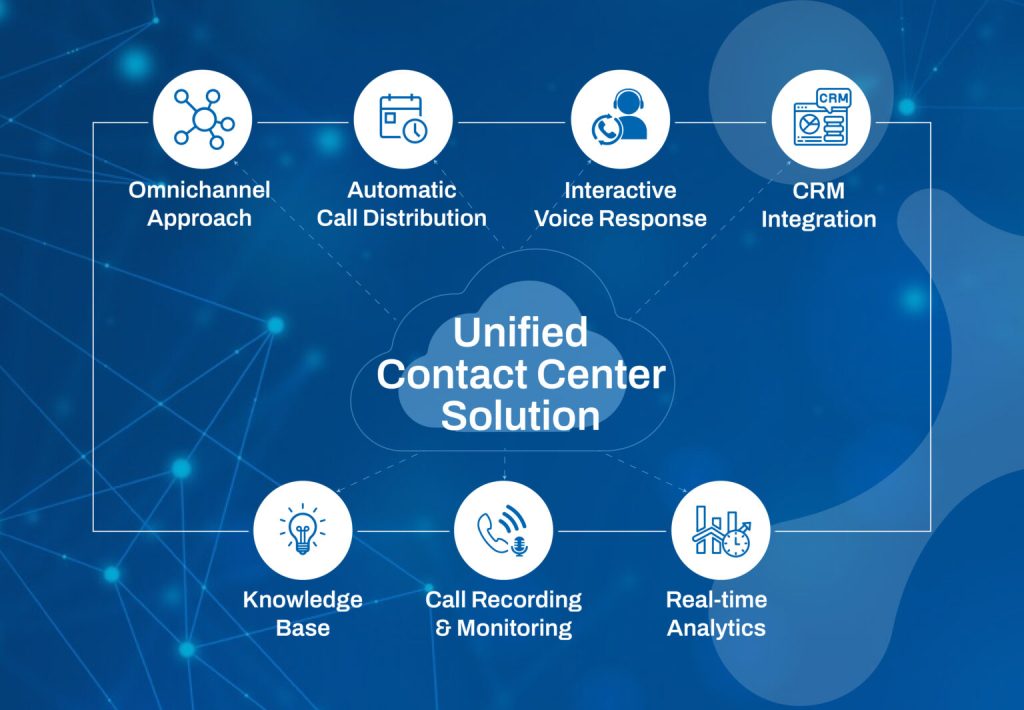
Platform capabilities
Combine the relevant modules for an internal contact center, BPO operation, service provider, or distributed team.
Configure queues, skills, schedules, dispositions, and supervisor workflows for support or sales teams.
Connect compatible trunks, numbers, gateways, and existing PBX infrastructure through a planned deployment.
Run controlled campaign, reminder, survey, or follow-up workflows with pacing and retry rules.
Separate organizations, teams, or customer environments using the platform tenancy model.
Deployment planning
A Bangladesh deployment needs a clear division of responsibility between your team, infrastructure provider, telecom providers, implementation partner, and software platform.
NextGenSwitch does not replace carrier services or legal and regulatory review. Confirm requirements with qualified providers and advisers for your operation.
Explore Contact CenterConfirm number, trunk, routing, caller ID, and capacity requirements with your selected licensed providers.
Choose compatible cloud, data-center, or on-premises infrastructure based on latency, access, and operations.
Review applicable Bangladesh telecom, privacy, recording, consent, retention, and outbound-calling requirements.
Design prompts, IVR choices, agent scripts, and automation for the languages and customer journeys you support.
Plan monitoring, backups, redundancy, incident ownership, and escalation before moving into production.
Define CRM, ticketing, identity, reporting, and API access with authentication and least-privilege controls.
Common deployment paths
Inbound queues, agent routing, dispositions, escalation, and supervisor visibility.
Controlled outbound campaigns, lead routing, callback handling, and outcome tracking.
Tenant separation and delegated administration for BPO or service-provider models.
Extensions, business routing, queues, and shared telephony policies in one deployment.
Share your call flows, capacity, carrier setup, hosting preference, and rollout timeline so the team can assess platform fit and implementation scope.