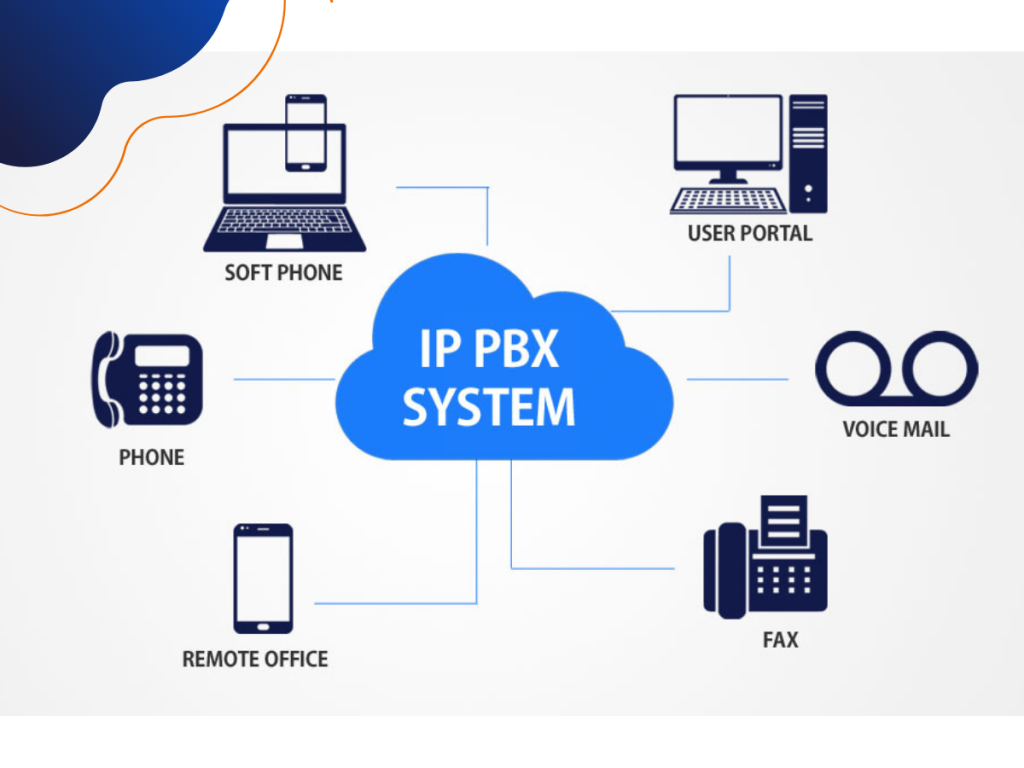
The voice foundation for NextGenSwitch
Connect SIP trunks, phone numbers, extensions, IVR, queues, recordings, and call routes in a platform that can also support contact center, campaign, API, and AI voice workflows.
Core PBX capabilities
Build the telephony layer required by your business instead of relying on one fixed call-flow model.
Connect compatible carriers and configure the credentials, domains, codecs, transports, and routes required by the provider.
Operate assigned extensions with compatible desk phones, softphones, WebRTC clients, or SIP applications.
Map incoming numbers and routes to IVR menus, queues, extensions, applications, or configured automation workflows.
Apply trunks, dial patterns, caller identification, and routing policies according to carrier and business requirements.
Use prompts, menus, time conditions, destinations, and fallback behavior to guide callers through the operation.
Distribute calls among configured agents or endpoints using the queue behavior available in the deployment.
Store and review call information or recordings according to configuration, storage, retention, consent, and access policies.
Connect call events and programmable voice workflows to business applications, webhooks, and custom services.
Separate customer, company, brand, or departmental environments when the multi-tenant edition is included.
From PBX to AI
Use the PBX for connectivity and routing, then introduce AI agents, APIs, campaigns, or human contact-center workflows where they provide value.
Add queues, agents, supervisors, campaigns, and operational reporting.
Explore contact centerRoute calls to AI workflows for information, qualification, actions, and human handoff.
Explore AI agentsRun automated or agent-supported reminders, broadcasts, surveys, and outbound engagement.
Explore campaignsBuild custom call experiences with APIs, XML verbs, webhooks, and audio streaming.
Review voice APIDeployment ownership
Deploy on compatible cloud, VPS, or on-premises infrastructure and select the telecom providers required for your markets.
Review Installation GuideAWS, Azure, DigitalOcean, or another compatible environment.
Operate on a compatible VPS sized for the expected workload.
Deploy within infrastructure managed by your organization.
Use multi-tenant scope for reseller or multi-company operations.
Responsibility model
A production PBX depends on infrastructure, carriers, devices, network quality, security policies, and ongoing operations.
Production planning
Extensions, agents, concurrent calls, queues, recordings, hours, and expected growth.
Countries, phone numbers, SIP providers, caller ID, routing, codecs, and calling policies.
Inbound routes, IVR, time conditions, queues, destinations, failover, and escalation.
Hosting, security, monitoring, backups, recordings, retention, updates, and support responsibilities.
Technical evaluation
Validate installation, SIP trunk, inbound route, queue, and API requirements before production.
Plan your voice platform
Share your users, expected calls, locations, carriers, call flows, integrations, and hosting preference.
Discuss Your Requirements Explore the Demo